Discover Montmédy
A few key facts about the upper town, the citadel and two thousand years of history overlooking the Chiers valley.
Official information
Plan your stay
Montmedy.net provides a few pointers for discovering the town. Opening hours, prices, events, guided tours and bookings may change, so please consult the official websites when planning your visit.
A history shaped by borders
Mentioned from 634 under the name of Madiacum, Montmédy (“Mons Medius”, the middle mountain) grew around a castle of the counts of Chiny built around 1220. In 1285, the famous Chauvency tournament there brings together more than 500 knights.
Land of the Duchy of Luxembourg passed to the Burgundians then to the Habsburgs, the city belongs to the Spanish Netherlands When Charles V ordered, around 1545, the fortification of the promontory: the citadel was born. In 1657, Louis XIV besieged it - it was the first siege of a young engineer named Vauban, the only survivor of the eight engineers engaged. Two years later, the treaty of the Pyrenees made Montmédy a French town, which Vauban modernized.
During the night of June 20 to 21 1791, it is towards Montmédy that flees Louis XVI to join the loyal troops of the Marquis de Bouillé - the royal family will be stopped on the way, in Varennes. The place suffered another siege of 78 days after Waterloo in 1815, then the Prussian bombardment of December 1870 (6,000 shells). German rear base during the Great War, heart of a fortified sector of the Maginot Line, Montmédy keeps a trace of each era in its stones.
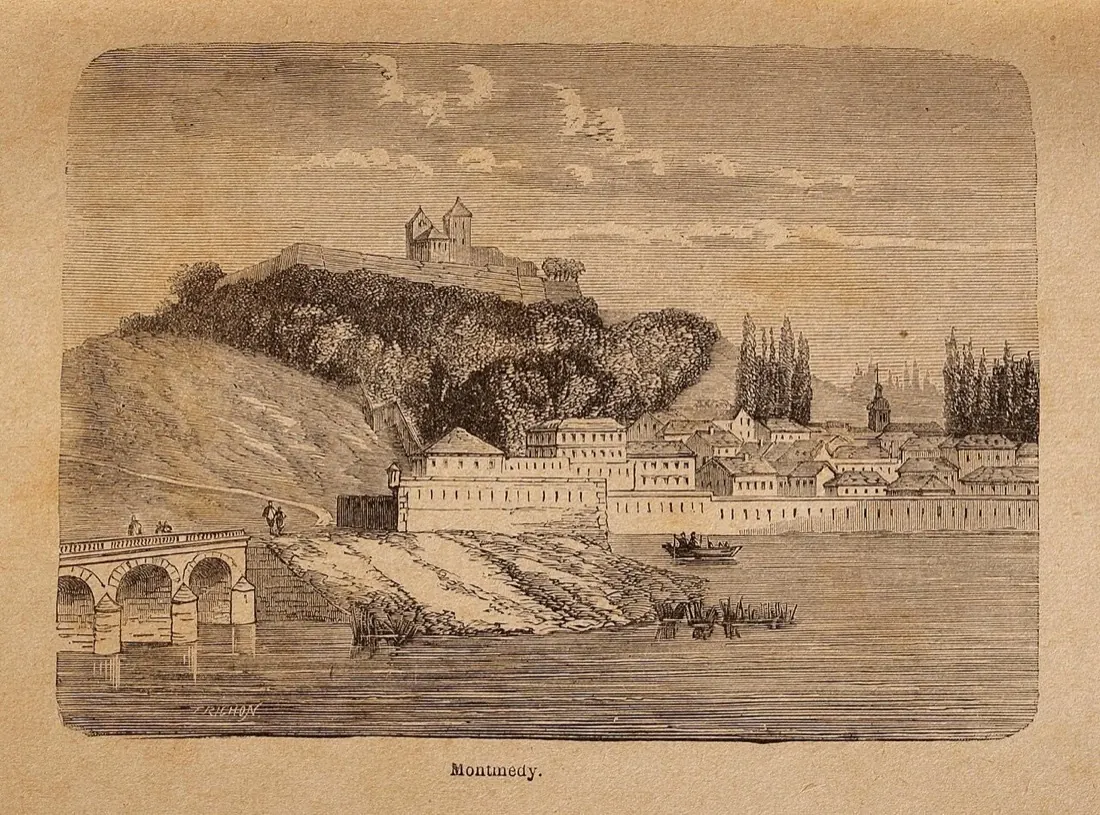
The citadel
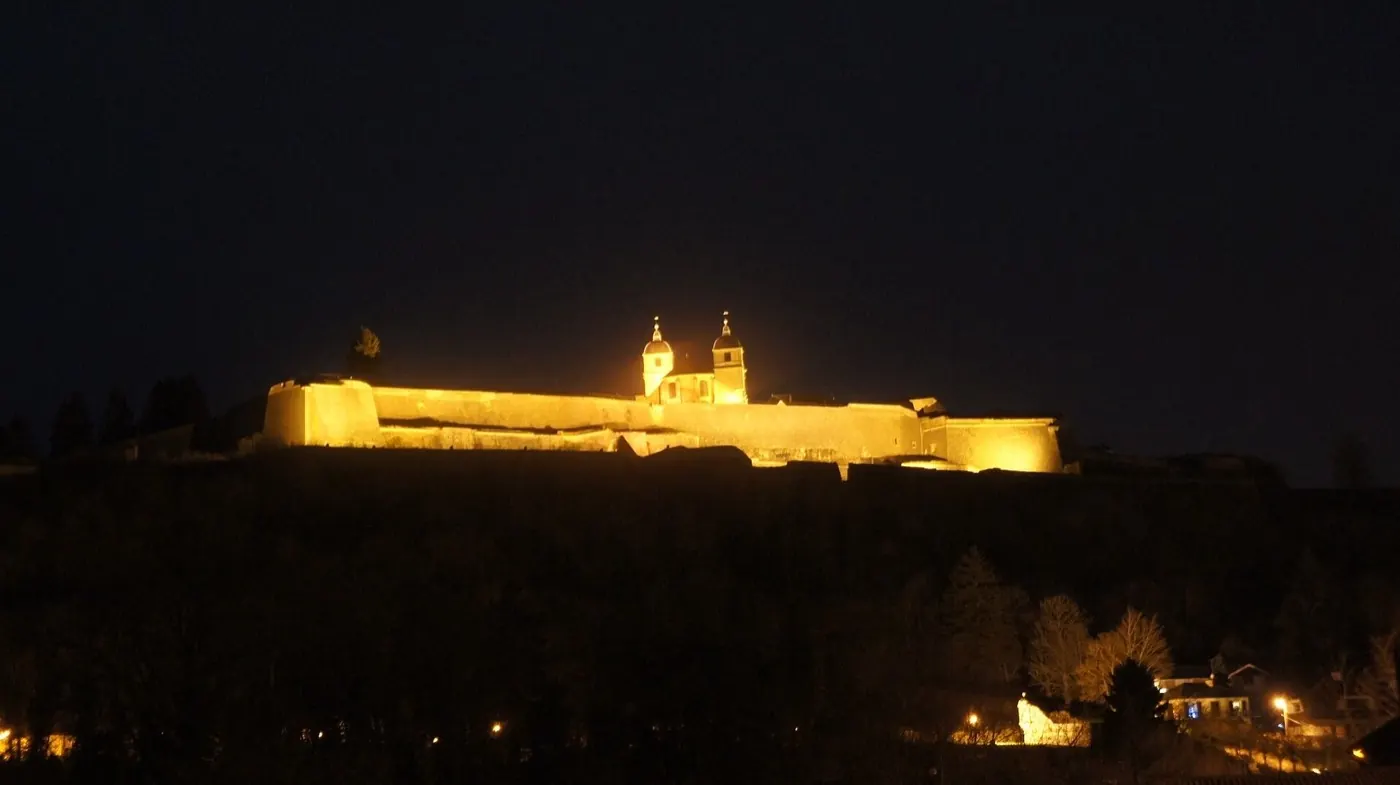
Unique in its kind, the citadel of Montmédy is inhabited : the upper town lives inside the ramparts, with its alleys, its church and its artists' studios installed in the casemates. The ramparts and glacis are protected under the Historical monuments since 1991.
The ramparts trail covers more than 1.5 km between bastions, curtain walls and underground passages. The 2 km Sentier des Songes follows the outer edge of the fortifications.
Tourist information and ticket office: 2 rue de l'Hôtel de Ville in the upper town - +33 (0)3 29 80 15 90. Check opening hours, prices and scheduled tours on the official websites listed at the top of this page.
Saint-Martin church and museums
In the upper town, theSaint-Martin church (1753-1756, classified as a Historic Monument) surprises with its two square towers imperial roofs of Spanish influence - souvenir of the Spanish Netherlands - and its organ inaugurated in 2013.
Next door, the old school houses the Jules Bastien-Lepage museum, dedicated to the great Meuse naturalist painter born in Damvillers (1848-1884), and the Fortification museum, which tells of the Meuse strongholds from Prehistory to the 18th century.
The same ticket also provides access to the ramparts trail, subject to the current conditions published by Musées de la Meuse.
See also: the washhouse, the watchtower on the Chemin du Rempart, the German military cemetery of 1914-1918 - and, a few kilometers away, the basilica of Avioth, "a marvel in the middle of the fields", and the Renaissance village of Marville.

Montmédy in figures
Sources: INSEE (municipal population 2023), Wikipedia, Meuse museums, Pays de Montmédy tourist office - details on the page credits & sources.